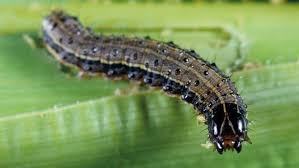
Last year, Cabarrus County—and much of North Carolina—saw a major outbreak of Fall Armyworms. These pests can cause rapid and widespread damage to pastures and hay fields, so it’s important to start scouting early this season.
Fall Armyworms migrate from the southern U.S. each year, since the pupae don’t survive North Carolina winters well. Once here, they feed aggressively on plant leaves, often leaving just the stems and roots behind.
In their larval stage, Armyworms grow up to 1.5 inches long and range in color from light green to dark brown or black. One consistent feature is the stripe running down their bodies, creating a "Y" shape on their head, which can help with identification.
The key to protecting your forage is early detection. Once Fall Armyworms get going, they can do a lot of damage in a short time. Start scouting now so you have the best chance of catching them early.
The recommended treatment threshold is an average of 3 caterpillars per square foot that are longer than ¼ inch. Here is a list of insecticides labeled for use in forage and pasture settings.
Keep in mind:
-
Some products are labeled “RUP” (Restricted Use Pesticide), which means you’ll need a pesticide license to purchase them.
-
Always check the label for grazing and harvest restrictions.
-
Most insecticides work best on smaller larvae (¾ inch or less), so timing really matters.
If you're planning to have someone spray for you, be sure they can get to your fields quickly. Waiting even a day or two could mean missing the best window for control.
Resources: