Summer is just around the corner, and you know what that means - Flies!! Flies are a persistent nuisance on farms, and they can cause significant harm to livestock. Beyond the annoyance of constant swarming, flies can be responsible for the spread of disease, reduced productivity, and even discomfort or injury to animals. Effective fly control is not just about keeping these pests at bay; it’s an essential part of maintaining a healthy and thriving livestock operation. For example, it is estimated that the US livestock producers lose over $1 billion annually to the horn fly, as it can contribute to anemia, decreased feed intake, decreased milk production, and lower average daily gains. With that, let's discuss some control methods!
Effective control begins with careful observation. Are you seeing specific types of pests more frequently, or are there areas on your farm where insect problems are more severe? Focus your attention on these primary insects: stable flies, house flies, horn flies, and face flies.
The foundation of effective fly control begins with cleanliness. It's essential to keep livestock holding areas free from manure, standing water, and leftover feed, as these are major attractants for flies and gnats. Take a close look at your manure management plan and facility design to make sure they make it easy to maintain a clean environment. Overstocking animals on a pasture can also worsen manure buildup and, in turn, fly problems, so managing stocking density is key to keeping flies under control.
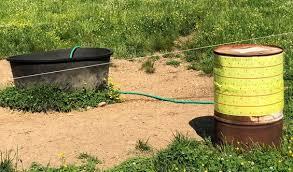
Fly traps and baits, like the ones shown in the image, can be placed in high-traffic areas such as holding pens, near feeders, waterers, or shelters. While these are simple and effective tools to help manage fly populations, they won't completely solve the problem on their own.
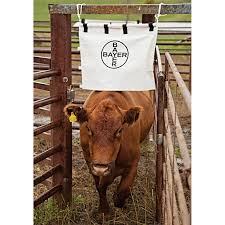
Dust bags are another common option for fly control, especially with cattle. However, they need to be set up the right way within your facilities to make sure the animals actually use them—cattle won’t go out of their way to use them on their own.
Fly Tags are great for cattle or small ruminants as they release a chemical control option continuously, over a period of time. However, to minimize resistance issues, it is best to rotate active ingredients. Sprays and pour-on products can be applied when working animals throughout the summer. Reapplication is necessary for optimal effectiveness, as these products provide control for only 7-21 days. You can also spray stalls or holding pens with a spray product such as Permethrin prior to working animals.
Another option is considering "feed through" fly control. This is a nutritional supplement that breaks the fly life cycle, normally seen as an additive in a mineral or grain product, but can also be found in lick tubs or as a top-dressing. These products can be a great tool as it does not require additional animal handling. However, you must start feeding this early in the year for it to effect fly reproduction.
A more unconventional option is to use chickens or guineas, which naturally help control pests by eating fly larvae and ticks.
For optimal control, it's often best to combine several of these strategies. There's no one-size-fits-all solution, as effectiveness will vary depending on your herd and facilities.
While some fly control methods can be costly, it's important to remember that flies can lead to serious issues such as pinkeye, skin infections, and reduced feed efficiency.
Reach out to Sarah Newman at 704-920-3317 or sarah_newman@ncsu.edu with any questions or concerns about your fly management plan!