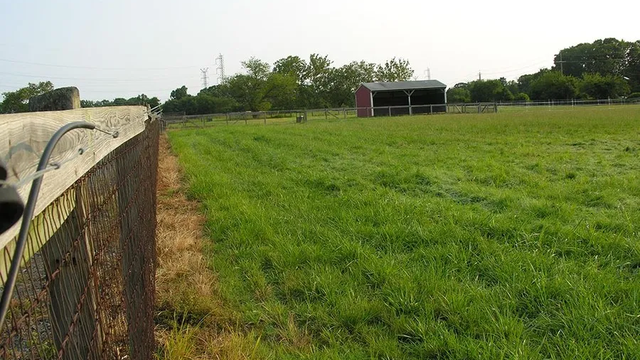
As winter fades and warmer temperatures are returning, cool-season forages are growing rapidly! Proper pasture management early on in the Spring is important to set the stage for a productive grazing season. Here are a few tips that will help improve forage yield, maintain stand health, and support overall livestock performance.
Grazing Management
- It might be tempting to turn out your livestock as soon as the pastures start to green up, however grazing too early can slow regrowth and reduce overall forage production. Cool season grasses should be 6-8 inches in height before grazing begins. If pastures were heavily grazed during the winter, they may need extra time to recover. Using a sacrifice area or continuing to feed hay for a short period can help protect pastures during this green-up phase.
- Diving fields into multiple small paddocks or using temporary fencing is a great management tool for maintaining productive pastures, allowing forage to rest between grazing periods. This rest period is critical for plant health and maintaining a strong root system. Avoid grazing cool-season grasses below 3-4 inches. Leaving residual helps plants regrow faster and reduce stress through the hotter months.
Soil Fertility
- Soil tests should be completed every two to three years to best understand what nutrients your pasture needs. Using these results we can apply optimal amounts of lime or fertilizer. Maintaining proper soil pH is essential for forage production because it affects how well plants can use nutrients in the soil. Many pasture grasses perform best when soil pH is around 6.0–6.5, while legumes such as clover often require a slightly higher pH. Keeping pH in the proper range improves fertilizer efficiency and helps maintain healthy, productive stands. Nitrogen is often the nutrient that drives spring growth in grasses, but other nutrients such as phosphorus and potassium are also important for long-term stand health. Applying fertilizer ahead of active growth helps to maximize yield.
Weed Control
- Scout fields early and identify problem weeds before they become mature! Herbicide applications are usually most effective when weeds are small and actively growing. Maintaining a healthy, thick stand of forage is one of the best ways to prevent weeds from becoming a problem in the first place. Proper grazing height, adequate fertility, and allowing rest between grazing periods all help desirable forages compete with unwanted plants.
Forage Maturity
- As cool-season grasses move into the reproductive stage and produce seed heads, forage quality will begin to decline. Grazing or mowing pastures at the right time can help keep plants in a vegetative, more nutritious stage.
Every farm is different, and pasture management should be adjusted based on forage species, soil conditions, and livestock needs. Taking time to prepare your pastures this spring will help improve productivity and make the grazing season more successful.